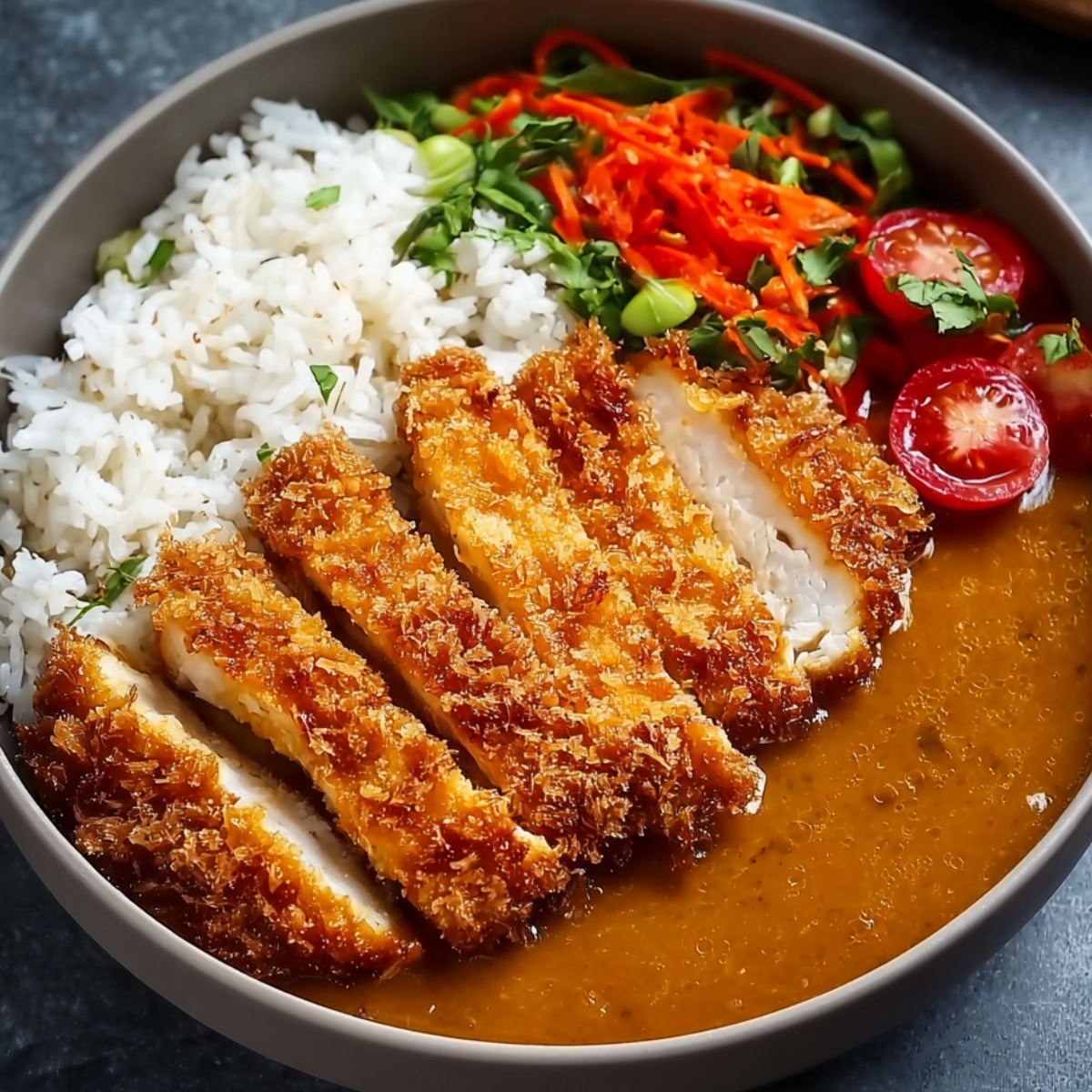
The Secret to Restaurant-Quality Katsu Curry: Unveiling Roux, Panko, & Baking Mastery
Are you tired of homemade katsu curry falling short of your favorite Japanese restaurant's version? That impossibly crispy coating, the tender, succulent meat, and the rich, complex curry sauce often seem like culinary magic, reserved only for seasoned chefs or those blessed with a deep fryer. But what if we told you that unlocking authentic
katsu curry flavor at home is not only achievable but surprisingly straightforward? The secret lies in mastering a few key techniques, from selecting the right panko and perfecting your cutlet preparation to building layers of flavor in your curry sauce, even opting for a healthier baking method over deep frying.
Many home cooks, myself included, have faced the disappointment of soggy breading or a watery, uninspired curry. The truth is, the magic of authentic
katsu curry isn't about secret family recipes or complex equipment; it's about understanding the foundational elements that create that irresistible contrast: an ultra-crunchy exterior against a tender interior, all bathed in a velvety, deeply savory sauce. Let's dive into the core components that will elevate your homemade
katsu curry from merely good to absolutely unforgettable.
The Quest for Crispy Katsu: Beyond the Deep Fryer
The hallmark of exceptional
katsu curry is undoubtedly the perfectly crisp cutlet. Many believe this crispiness is exclusive to deep frying, but with the right approach, baking can yield equally impressive, if not superior, results – often with less mess and a healthier profile.
- Panko Perfection: The Non-Negotiable Choice
Forget regular breadcrumbs; for true katsu, Japanese panko breadcrumbs are non-negotiable. What makes them superior? Panko is made from bread that's crustless and coarsely ground, resulting in a flakier, airier texture. This unique structure allows it to absorb less oil and crisp up more effectively, creating that signature light, airy crunch that crumbles beautifully with every bite. When pressing the panko into your protein, don't be shy – press firmly, ensuring a thick, even coat. This creates a protective barrier that locks in moisture and maximizes crispiness.
- Chicken Choice & Preparation: The Foundation of Flavor
Start with quality protein. While pork (tonkatsu) is traditional, chicken katsu is a popular and delicious alternative. For chicken breasts, opt for ones of similar thickness from a reliable butcher. If they are uneven, butterfly them and pound them gently to an even 1/2-inch thickness. This ensures consistent cooking and tenderness. Unevenly thick cutlets ("frankenchicken" breasts, as one friend aptly put it) lead to patches of dry, overcooked meat and undercooked areas, compromising the overall experience.
- Baking Brilliance: Achieving the Crunch Without the Oil Slick
The baking method is a game-changer for homemade katsu curry. To achieve that deep-fried crisp, a few steps are crucial:
- Pre-Bake Prep: After breading, let your cutlets rest for 10-15 minutes. This allows the panko to adhere more firmly, reducing the chance of it falling off during cooking.
- The Oil Spray: Lightly misting the breaded katsu with cooking spray or brushing with a thin layer of oil before baking helps the panko toast evenly and develop that beautiful golden-brown color and crunchy texture.
- High Heat: Bake at a relatively high temperature (around 400-425°F or 200-220°C) to ensure the panko crisps quickly while the chicken cooks through without drying out. For more in-depth guidance on perfecting this technique, check out our article: Achieve Crispy Katsu Curry at Home: No Deep Fryer Needed.
Crafting the Velvety Heart: The Authentic Katsu Curry Sauce
While the katsu gets all the glory for its crunch, the curry sauce is the soul of the dish. A truly authentic Japanese
katsu curry sauce is thick, rich, slightly sweet, and deeply savory, offering a stark contrast to the crispy cutlet. It's far more complex than simply mixing curry powder with broth.
- The Roux Revolution: Japanese Curry Cubes are King
The most significant shortcut and secret weapon for achieving authentic flavor with minimal effort are Japanese curry roux blocks (often called curry cubes). Brands like S&B, House, or Vermont Curry are widely available in Asian grocery stores and online. These blocks are a blend of flour, fats, curry powder, and various seasonings, already perfectly balanced. They thicken the sauce beautifully and infuse it with that distinctive, comforting Japanese curry profile – often available in mild, medium, or hot. They are truly game-changing for consistency and flavor.
- Building Depth Without the Blocks: A DIY Approach
If Japanese curry roux blocks aren't accessible, don't despair. You can still craft a delicious sauce by building layers of flavor:
- Aromatic Base: Start by sautéing finely diced onions until softened and slightly caramelized. This sweetness forms a crucial flavor base.
- Curry Powder Integration: Stir in good quality Japanese curry powder (if available, otherwise a high-quality regular curry powder works) and cook it for a minute or two to bloom the spices before adding liquid.
- Flavor Enhancers: To mimic the complexity of Japanese roux, consider adding a pinch of sugar (for sweetness), a tiny bit of garam masala (for warmth and depth), a splash of soy sauce (for umami), and even a grated apple or a spoonful of honey for natural sweetness and body.
- Thickening Agent: If not using roux blocks, you'll need to create a slurry with flour or cornstarch and water to achieve the desired thickness.
- The Vegetable Symphony: Essential for Texture and Thickness
Traditional Japanese curry sauce relies on a classic trio of vegetables: onions, carrots, and potatoes. These aren't just for nutrition; they contribute significantly to the sauce's texture and body. Potatoes, in particular, release starch as they cook, naturally thickening the curry. Always opt for fresh vegetables, diced uniformly, as they hold their shape better and prevent the sauce from becoming watery, unlike their frozen counterparts.
The Synergy of Katsu Curry: A Culinary Love Story
The true magic of
katsu curry lies in the harmonious contrast it offers. The exhilarating crunch of the baked katsu, whether chicken or pork, gives way to tender, juicy meat. This textural delight is then beautifully complemented by the warm, velvety embrace of the rich curry sauce. Served atop a bed of fluffy Japanese short-grain rice, it creates a symphony of flavors and textures that is both deeply satisfying and incredibly comforting.
This dish isn't just food; it's an experience. It's the ultimate comfort food, beloved by growing teenagers and adults alike for its ability to soothe and satisfy. The crispy-saucy synergy is nothing short of culinary bliss, making it a staple requested twice a month in many households, and often declared superior to restaurant versions!
Streamlining Your Katsu Curry Experience
One common hurdle with
katsu curry is the perception that it's "two meals in one" – requiring the preparation of both a cutlet and a curry sauce. While true, smart kitchen hacks can significantly reduce prep time and make this dish a weeknight possibility.
- Prep Ahead Power:
- Curry Sauce: The curry sauce can be made entirely in advance and refrigerated for several days. In fact, many believe the flavors deepen and improve overnight, making it even more delicious the next day.
- Breading the Katsu: You can bread your chicken or pork cutlets ahead of time. Store them on a tray, covered, in the refrigerator for up to a day, or freeze them individually on a baking sheet before transferring to a freezer bag for longer storage.
- Efficient Cooking:
While your curry sauce simmers, you can be preparing and baking your katsu. Aim to have both components ready around the same time for immediate assembly.
- Reheating for Crispy Perfection:
If you have leftover katsu, avoid the microwave! Reheat it in a toaster oven, air fryer, or conventional oven at a moderate temperature (around 350°F/175°C) until crispy again. This prevents it from becoming soggy and retains its delicious crunch. For more quick tips and time-saving strategies, read our article: Quick Katsu Curry: Ultimate Japanese Comfort in Under 30 Minutes.
Mastering authentic
katsu curry flavor is well within your reach. By focusing on quality Japanese panko and perfecting your baking technique for an impossibly crispy cutlet, and by embracing the depth of Japanese curry roux blocks (or building your sauce from scratch with thoughtful additions), you'll unlock a dish that rivals any restaurant. This comforting Japanese classic, with its sublime contrast of textures and rich flavors, is sure to become a cherished favorite in your home. So go ahead, don't just cook – create that magic!