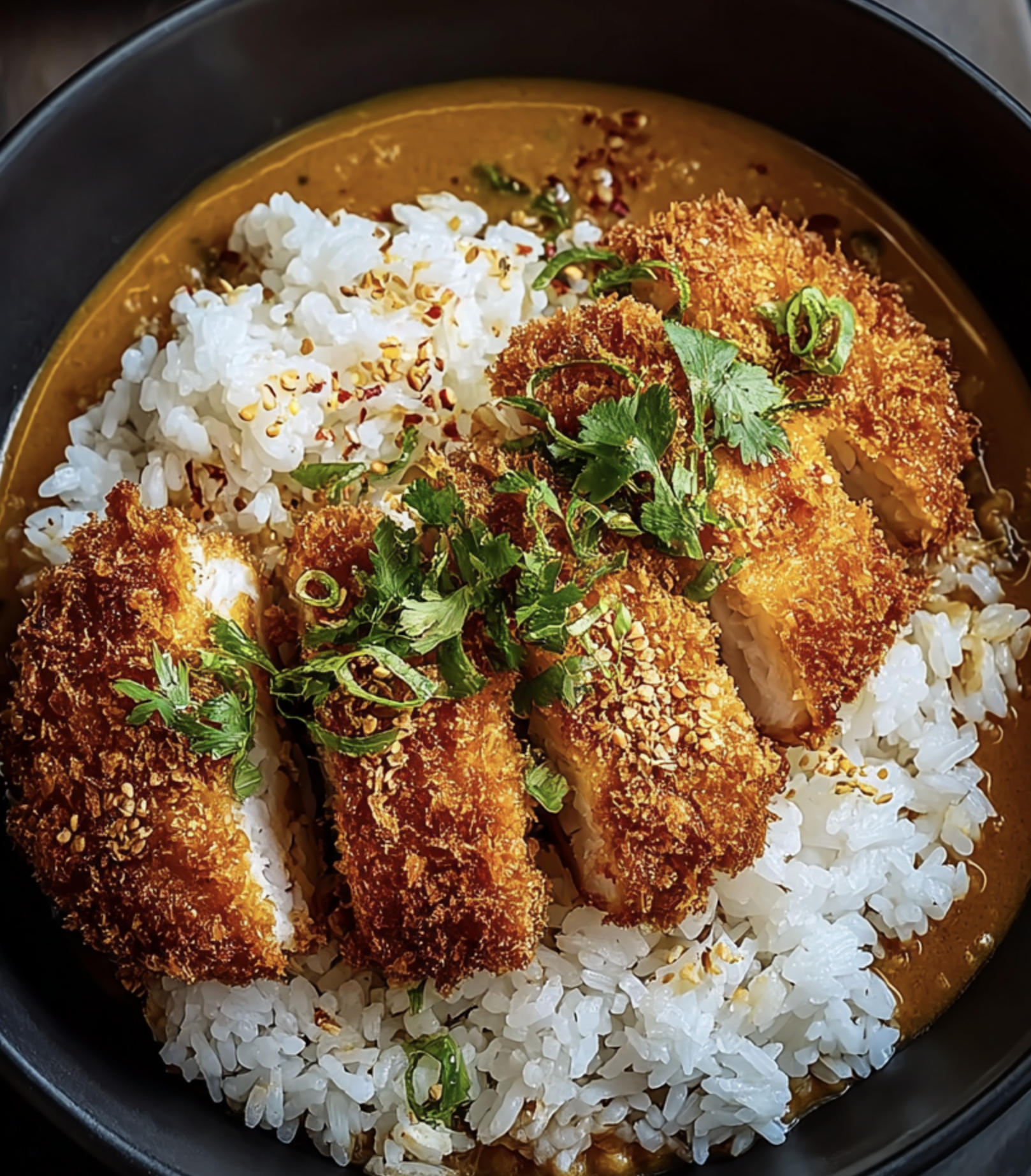
The allure of a perfectly crispy chicken cutlet drenched in a rich, savory Japanese curry sauce, served atop a bed of fluffy rice, is undeniable. This beloved dish, known as katsu curry, is the epitome of comfort food for many. While its restaurant-quality crunch and deep, complex flavors might seem like the exclusive domain of professional chefs or those with specialized kitchen equipment, we're here to share a delicious secret: you absolutely can achieve that authentic, mouth-watering experience right in your own kitchen, no deep fryer required.
Many home cooks shy away from making katsu curry, fearing a greasy, soggy imitation. The common misconception is that achieving that signature crispiness demands a vat of hot oil, and that the sauce requires some elusive "Japanese grandmother magic." But as countless culinary enthusiasts have discovered, and as we're about to reveal, the true secret lies in mastering a few simple techniques and choosing the right ingredients. With a little insider knowledge, your homemade katsu curry can rival, or even surpass, your favorite Japanese eatery’s version – a claim our own teenagers boldly stand by!
Mastering the Katsu: Oven-Baked Perfection
The cornerstone of a great katsu curry is, of course, the katsu itself: a tender, juicy piece of meat enveloped in a shatteringly crisp coating. Historically, this has been achieved through deep frying. However, baking offers a fantastic, healthier, and far less messy alternative that delivers incredible results. The key is understanding how to leverage the unique properties of Japanese panko breadcrumbs and proper preparation.
Ingredient Spotlight: Japanese Panko vs. Regular Breadcrumbs
This is arguably the most crucial distinction for achieving that signature crisp. You must use Japanese panko breadcrumbs. Unlike traditional breadcrumbs, panko is made from crustless white bread, baked via an electrical current, and then ground into larger, flakier, and lighter crumbs. These irregular, airy crumbs don't absorb as much oil or moisture, leading to a much crispier, lighter texture when baked or fried. Regular breadcrumbs, being denser and finer, tend to create a harder, greasier crust that can quickly turn soggy. The difference is truly massive and non-negotiable for authentic katsu.
Choosing and Preparing Your Chicken
For the best katsu, start with good quality chicken breasts. Look for pieces that are relatively similar in thickness. If your chicken breasts are uneven or particularly thick (sometimes referred to as "frankenchicken" due to their fused appearance), you'll want to pound them to an even half-inch thickness. This ensures consistent cooking and helps tenderize the meat. Place chicken breasts between two sheets of plastic wrap and use a meat mallet or a heavy pan to gently, but firmly, pound them flat. A little pre-salting and seasoning of the chicken itself will also elevate the flavor before breading.
The Breading Process: A Step-by-Step Guide for Ultimate Crunch
Achieving a perfectly adhered, ultra-crispy coating involves a classic three-step breading station, but with a critical nuance for katsu:
- Flour: Dredge each chicken piece thoroughly in all-purpose flour, shaking off any excess. This creates a dry surface for the egg to cling to.
- Egg: Dip the floured chicken into a beaten egg (or an egg wash with a splash of milk/water), ensuring it's fully coated. Let any excess drip off.
- Panko: This is where the magic happens. Place the egg-coated chicken into a shallow dish of Japanese panko. Instead of lightly coating, firmly press the panko into every surface of the chicken. Don't be shy – really embed those flakes into the meat.
After breading, transfer the katsu to a wire rack set over a baking sheet. Here's a pro tip: let the breaded katsu rest in the refrigerator for at least 15-30 minutes (or even longer). This resting period allows the coating to adhere more firmly, reducing the chance of it flaking off during baking and contributing to an even crispier result. Before baking, a light spray of cooking oil (or a brush of oil) on both sides of the panko-coated chicken will further enhance browning and crispiness, mimicking the effect of shallow frying without the excess oil.
Crafting the Velvety, Flavor-Rich Katsu Curry Sauce
While the katsu provides the crunch, the curry sauce delivers the soul of the dish. A common pitfall for homemade katsu curry is a weak, watery, or bland sauce that tastes nothing like the comforting depth found in Japanese restaurants. Just dumping curry powder into broth simply won't cut it. The secret lies in building layers of savory flavor and achieving that signature thickness.
The Magic of Japanese Curry Roux Blocks
For an authentic, rich, and remarkably easy katsu curry sauce, Japanese curry roux blocks (often called curry cubes) are an absolute game-changer. Brands like S&B, House, and Vermont Curry offer a range of mild, medium, and hot options. These blocks are essentially a pre-made mixture of curry powder, flour, fats, and spices, designed to dissolve into liquids to create a thick, flavorful sauce with minimal effort. They provide that unmistakable Japanese curry profile – a perfect balance of savory, subtly sweet, and mildly spiced – making them the preferred choice for home cooks seeking authenticity and convenience. To learn more about unlocking these flavors, check out our guide on Unlock Authentic Katsu Curry Flavor: Roux, Panko & Baking Secrets.
Alternative: Japanese Curry Powder + Enhancers
If roux blocks aren't available, or if you prefer to build your sauce from scratch, Japanese curry powder is the next best option. However, it requires a bit more effort to achieve depth. Start by sautéing aromatics like onions until deeply caramelized – this sweetness and depth is crucial. Then, "bloom" the curry powder by toasting it in oil with the aromatics for a minute before adding liquids. To get closer to that distinct Japanese flavor, consider adding a tiny pinch of garam masala for extra spice complexity and a small amount of sugar to balance the savory notes.
Building Layers of Flavor: Aromatics and Vegetables
The traditional vegetable trio for Japanese curry includes onions, carrots, and potatoes. These aren't just for bulk; they contribute essential flavors and textures to the sauce. Always opt for fresh vegetables over frozen; they hold their shape better and won't leach excess water into your curry. Dice them into bite-sized pieces for even cooking.
A crucial tip for thickening the sauce naturally is to add an extra potato or two. As potatoes cook, they release starch, which contributes significantly to the curry's desired velvety consistency. Begin by sautéing diced onions until translucent and slightly browned, then add carrots and potatoes, cooking for a few minutes before adding your liquid (water or broth) and the curry roux or powder mixture. Simmer gently, allowing the vegetables to soften and the flavors to meld, stirring occasionally to prevent sticking. This slow simmer is where the true magic of a rich curry sauce unfolds.
Assembling Your Restaurant-Quality Katsu Curry
The beauty of katsu curry lies in the harmonious interplay of its components. Achieving this balance involves thoughtful timing and presentation.
Typically, the curry sauce requires a longer simmering time to develop its full flavor and thickness, so it's often best to start this first. While your curry simmers, you can prepare and bake your katsu. A good rule of thumb is to aim for both components to finish cooking around the same time, ensuring the katsu is served at its crispiest.
Once your katsu is golden brown and audibly crunchy from the oven, and your curry sauce is thick and fragrant, it's time to assemble. Ladle a generous portion of freshly cooked, fluffy Japanese short-grain rice onto a plate. Place the crispy katsu cutlet alongside or directly on top of the rice. Then, lovingly blanket a portion of the katsu and rice with the rich, velvety curry sauce. The ultimate experience is the first bite, where the ultra-crunchy chicken meets the warm, slightly sweet, and savory curry.
To elevate the experience further, consider traditional Japanese garnishes like fukujinzuke (pickled daikon and lotus root) or rakkyo (pickled shallots) for a tangy counterpoint. A sprinkle of fresh chopped scallions or a dash of shichimi togarashi (Japanese seven-spice blend) can add an extra layer of flavor and visual appeal. For those looking to whip up this comfort meal in a flash, our guide on Quick Katsu Curry: Ultimate Japanese Comfort in Under 30 Minutes offers excellent time-saving strategies.
Tips for Katsu Curry Success & Flavor Hacks
- Don't Rush the Simmer: For the curry sauce, patience is a virtue. A longer, gentle simmer allows the flavors to deepen and the potatoes to release their starch, resulting in a more integrated, satisfying sauce.
- Taste and Adjust: Always taste your curry sauce before serving. You might want to add a little more sugar for sweetness, a dash of soy sauce for umami, or a pinch more garam masala for warmth.
- Spice Level Control: Japanese curry roux blocks come in various spice levels. If you're using curry powder, you can adjust the heat by adding a pinch of cayenne pepper or chili flakes to your preference.
- Crispness Assurance: For the absolute crispiest katsu, serve it immediately after baking. While leftovers are still delicious, the panko will soften over time when exposed to the sauce.
- Katsu Variations: While chicken katsu is popular, feel free to experiment with other proteins. Pork loin makes excellent tonkatsu (pork cutlet), and thick slices of firm tofu can be prepared in the same way for a delicious vegetarian katsu.
The beauty of homemade katsu curry is the ability to tailor it precisely to your taste. From the intensity of the curry to the crispness of the katsu, every element is within your control, promising a truly personalized and delightful dining experience.
Your Katsu Curry Journey Begins Now
Say goodbye to soggy katsu and bland curry sauce. With the right techniques and a few key ingredients, achieving a restaurant-quality katsu curry at home is not only possible but surprisingly straightforward. Embrace the power of Japanese panko, the convenience of curry roux, and the magic of oven-baking, and you'll soon be enjoying this comforting, incredibly satisfying Japanese dish with a proud smile. Your journey to homemade katsu curry perfection starts today!
